Our Pick: Marmot
Check price →The Best Rain Jackets for Hiking (2026)
Four shells from $23 to $164 with listed weights from 6.3 oz to about 13 oz. The Marmot PreCip Eco is our pick because it has pit zips; the OR Helium is the ultralight answer, the Columbia Watertight II the budget one, and the Frogg Toggs suit the disposable one.
By The WorldHike Gear Desk · ~11 min read · Updated 2026-08-23

Marmot PreCip Eco
Marmot
The long-running value benchmark: real pit zips, an adjustable hood, and a price that respects you.
Check price★ Our Top Pick
Best for Most Hikers
Marmot PreCip Eco
The long-running value benchmark: real pit zips, an adjustable hood, and a price that respects you.
Not sure yet? Compare all 4 picks below ↓
Short answer: most hikers should buy the Marmot PreCip Eco (about $135 at time of writing). It is a 2.5-layer NanoPro shell listed at about 10.8 oz in a men's medium, with pit zips, a stowable hood, and a fabric that has been the default hiking rain jacket for twenty years because it keeps working after the DWR wears off. If you count ounces, the Outdoor Research Helium (about $164) is 6.3 oz listed with Pertex Shield Diamond Fuse fabric, no pit zips, and one chest pocket; it is the thru-hiker pick. If $70 is the budget, the Columbia Watertight II (about $70) is a real 2-layer Omni-Tech shell at about 13 oz, heavier and less breathable, fully waterproof. The Frogg Toggs Ultra-Lite2 suit (about $23) is a 10 to 12 oz jacket-and-pants set that keeps you dry for a season and then tears; it is here as the emergency and first-season pick, not as a jacket you build a kit around.
What decides it: a waterproof-breathable jacket is a membrane or coating that blocks liquid water and lets some vapor out, and every jacket here wets out on the face fabric in sustained rain once the DWR fades, at which point breathability drops and you feel clammy even though you are not leaking. Pit zips are the only thing that fixes that, which is why the PreCip wins for most people and the Helium does not. Weights are the manufacturers' listed figures for a men's medium cross-checked against the live Amazon listings in August 2026; we did not weigh these jackets or run rain-room tests.
Disclosure: no brand paid for a place here; links go to Amazon and we earn a commission on purchases. It does not change the order.
The short version
- Our pick: Marmot PreCip Eco, about $135. 2.5-layer NanoPro, 100 percent recycled nylon ripstop, listed about 10.8 oz, pit zips, adjustable stowable hood, packs into its own pocket. The best combination of venting, durability, and price on Amazon.
- Ultralight: Outdoor Research Helium, about $164. Pertex Shield Diamond Fuse 2.5-layer, listed 6.3 oz, one chest pocket, no pit zips, no hand pockets. The lightest credible hardshell under $200; venting is the price.
- Budget: Columbia Watertight II, about $70. Omni-Tech 2-layer, listed about 13 oz, two hand pockets, no pit zips. Waterproof and durable; the heaviest and least breathable pick.
- Emergency and first season: Frogg Toggs Ultra-Lite2 suit, about $23. Polypropylene nonwoven jacket plus pants, about 10 to 12 oz listed for the set. Waterproof on day one, snags and tears on brush. Replace it when it fails.
- Breathability reality: no jacket here stays comfortable climbing hard in warm rain. Pit zips and a slower pace matter more than the membrane brand.
- DWR rule: when water stops beading, wash the jacket and tumble dry on low to reactivate the coating; re-treat with a spray-on DWR when that stops working. The membrane is fine; the face fabric is what wets out.
- Rain pants are a separate decision: carry them for cold rain, wind above tree line, and shoulder seasons; skip them on warm summer trails.
| Jacket | Best for | Fabric | Listed weight | Pit zips | Pockets | Price (Aug 2026) |
|---|---|---|---|---|---|---|
| Marmot PreCip Eco | Our Pick | 2.5L NanoPro, recycled nylon | about 10.8 oz | Yes | 2 hand | about $135 |
| Outdoor Research Helium | Ultralight | 2.5L Pertex Shield Diamond Fuse | 6.3 oz | No | 1 chest | about $164 |
| Columbia Watertight II | Budget | 2L Omni-Tech | about 13 oz | No | 2 hand | about $70 |
| Frogg Toggs Ultra-Lite2 Suit | Emergency, first season | Polypropylene nonwoven | about 10 to 12 oz (jacket + pants) | No | None | about $23 |
Listed manufacturer specs for a men's medium, cross-checked against the live Amazon listings in August 2026. Women's versions are linked on the cards where they exist. Prices are what the linked listings showed at time of writing.
01 · Best for Most Hikers
Our PickMarmot PreCip Eco
The long-running value benchmark: real pit zips, an adjustable hood, and a price that respects you.
Field check: 2.5-layer waterproof shell with full pit zips and an adjustable roll-away hood (listed) · the reference point every budget shell gets compared against
Most people asking about rain jackets should just buy this and go hiking. The PreCip Eco is Marmot's recycled-fabric update to the most recommended budget-to-midrange shell in hiking, and the reasons it keeps winning have nothing to do with fabric marketing. It has pit zips. It has a hood that cinches down and moves with your head. It has an adjustable hem and cuffs, it stuffs into its own pocket, and its listed build is a 2.5-layer waterproof-breathable laminate, which is the standard recipe at this price. None of that is exotic. All of it is exactly what you use in real weather.
The limits: a 2.5-layer shell at this price will wet out sooner in all-day soaking rain than a premium three-layer jacket, the fabric feel is more functional than luxurious, and it is not the lightest option here (the Helium takes that crown). But for three-season hiking, travel, and the everyday reality of carrying a shell you use a dozen times a year, the balance of features, weight, durability, and price is unbeaten. This is the jacket we hand people who ask for one recommendation.
- Price
- about $135
- Venting
- Pit zips
- Fabric
- 2.5-layer NanoPro, 100% recycled nylon ripstop
- Listed weight
- about 10.8 oz (men's M)
- Build
- 2.5-layer waterproof-breathable, recycled nylon (listed)
- Ventilation
- Full pit zips
- Hood
- Adjustable, roll-away
- Packs
- Stuffs into its own pocket
- Approx. price
- about $110
What we like
- Pit zips: real ventilation most shells at this price skip
- Adjustable hood, hem, and cuffs that seal out weather properly
- Stuffs into its own pocket and lives happily in a daypack
- The proven value benchmark, now in recycled fabric
Worth noting
- 2.5-layer fabric wets out sooner than premium 3-layer shells in all-day rain
- Slightly clammy interior feel against bare skin
- Not the lightest option in this guide
Who should buy it: Buy the PreCip Eco if you want one dependable shell for day hikes, backpacking, and travel without overthinking it. It suits the hiker who wears a rain jacket a dozen or two times a year and wants the features that matter (pit zips, real hood, packability) at a price that does not sting. It is the default for a reason.
What we don't like: It is a 2.5-layer shell, so in hours of sustained heavy rain it will eventually wet out sooner than a premium three-layer jacket. The interior coating feel is slightly clammy against bare arms, and hikers counting every gram will prefer the lighter Helium.
Bottom line: The PreCip has been the answer to "which rain jacket should I buy" for so long that it has become the category's unit of measurement, and the Eco version keeps that deal intact with recycled fabric. What you are really buying is the feature set: pit zips that dump heat when you are climbing in rain, a hood that actually adjusts, and a shell that stuffs small enough to live in your pack permanently. At about $110 it is the smart default.
02 · Best Ultralight
Best Ultralight
Outdoor Research Helium Rain Jacket
The shell so light you carry it every day, which makes it the shell that is actually there when it rains.
Field check: Pertex Shield fabric in a famously minimal, packs-to-nothing build (listed) · the ultralight benchmark shell for fastpackers and thru-hikers
The best rain jacket is the one that is actually in your pack, and the Helium wins by being effortless to bring. The Helium Rain is Outdoor Research's long-running ultralight shell, built from Pertex Shield fabric and pared down to the essentials: a hood, a chest pocket it stuffs into, and a cut trim enough to vanish in a fist. The listed weight sits in featherweight territory for a fully waterproof jacket, and that is the entire point. When a shell costs you nothing to carry, you carry it always, and the always-there jacket beats the better jacket you left in the car.
In use, the Helium is at its best exactly where it was designed to live: fastpacking, trail running, thru-hiking, and any trip where the forecast is mixed and your pack is small. It blocks wind beautifully, shrugs off showers and sustained rain, and disappears when the sun returns. At about $170 it costs more than the PreCip while carrying fewer features, and that is the math of ultralight gear: you are paying for absence. For the right hiker, absence is worth every dollar.
- Price
- about $164
- Venting
- None (front zip only)
- Fabric
- 2.5-layer Pertex Shield Diamond Fuse
- Listed weight
- 6.3 oz (men's M)
- Build
- Pertex Shield waterproof fabric (listed)
- Ventilation
- Front zip only, no pit zips
- Hood
- Adjustable
- Packs
- Stuffs into its own chest pocket
- Approx. price
- about $170
What we like
- So light and small you bring it on every single hike
- Genuinely waterproof Pertex Shield build, not just a wind shell
- Excellent wind protection for ridgelines and passes
- Stuffs into its own chest pocket to the size of an apple
Worth noting
- No pit zips: runs warm on hard climbs in rain
- Thin fabric needs care around rock scrambles and brush
- Costs more than the PreCip while carrying fewer features
Who should buy it: Buy the Helium if weight decides what comes on your hikes: ultralighters, fastpackers, trail runners, and anyone whose shell rides in the pack 95 percent of the time. It is the jacket for people who want insurance against the sky that costs nothing to carry.
What we don't like: No pit zips, so ventilation on hard climbs is limited to the front zipper. The thin fabric demands more care around rock and brush than a standard shell, and at about $170 you pay more than the PreCip for fewer features. That is the ultralight bargain stated.
Bottom line: The Helium's whole argument is weight, and it is a winning argument. Built from Pertex Shield fabric in a deliberately minimal cut, it packs down to almost nothing and weighs so little you stop debating whether to bring it. That changes behavior: the Helium comes on every hike, which means it is there for the storm the forecast missed. You give up pit zips and burl to get there, and for moving fast, that trade is right.
03 · Best Budget
Best Budget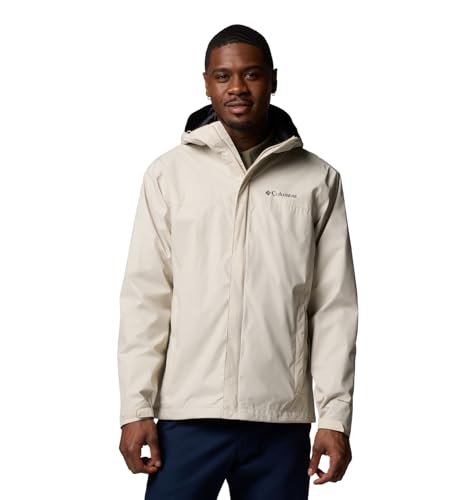
Columbia Watertight II
A packable waterproof shell for well under a hundred dollars, and it does the job.
Field check: Columbia Omni-Tech waterproof-breathable shell with an adjustable hood, packable into its own pocket (listed) · the budget standard
Not everyone needs a $170 shell, and Columbia knows it. The Watertight II is the volume seller of budget rain jackets for a simple reason: it does the core job. The listed build is Columbia's Omni-Tech waterproof-breathable fabric with sealed seams, which means it is actual rain gear, not a water-resistant windbreaker pretending. The hood adjusts, the cuffs close, the hem cinches, and the whole jacket packs into its own pocket for the bottom of a daypack. For about $70, that is the complete checklist of what a rain shell must do.
The Watertight II is also the shell we point at for the broader life a rain jacket lives: commutes, dog walks, kids' games, stadium rain. It looks normal, it costs little enough to live in a car trunk, and when the trail forecast turns, it is entirely capable of a wet afternoon in the hills. Budget gear earns respect by being clear about what it is, and this jacket is exactly that.
- Price
- about $70
- Venting
- None
- Fabric
- 2-layer Omni-Tech
- Listed weight
- about 13 oz (men's M)
- Build
- Omni-Tech waterproof-breathable, seam-sealed (listed)
- Ventilation
- Front zip only, no pit zips
- Hood
- Adjustable
- Packs
- Packs into its own pocket
- Approx. price
- about $70
What we like
- Genuinely waterproof and seam-sealed at a budget price
- Adjustable hood, cuffs, and hem: the full checklist
- Packs into its own pocket for daypack duty
- Doubles happily as an everyday rain jacket
Worth noting
- No pit zips: steamy on sustained climbs
- Everyday rather than technical fit and fabric feel
- Step-up shells handle day-after-day mountain weather better
Who should buy it: Buy the Watertight II if you hike casually, travel, or want a dependable shell without spending three figures: beginners assembling a first kit, parents outfitting a family, and anyone whose rain jacket doubles as their everyday one. It is the best sub-$100 answer we know.
What we don't like: No pit zips, so it runs steamy on hard climbs in warm rain. The fit and fabric feel are more everyday than technical, and in day-after-day mountain weather a step-up shell earns its extra cost. It is a budget jacket done right, not a premium jacket at a discount.
Bottom line: The Watertight II is the answer when the budget is the constraint and the need is real. It is a waterproof, seam-sealed shell with an adjustable hood and a packable build, from a brand with the scale to sell it for about $70. You give up pit zips and some refinement, but for day hikes, travel, and sideline duty, it covers the actual job of a rain jacket for roughly half the price of our top pick.
04 · Best Cult Ultralight Suit
Cult Classic
Frogg Toggs Ultra-Lite2 Rain Suit
Jacket and pants for about $25, feather-light, beloved by thru-hikers, fragile as tissue around brush.
Field check: A full jacket-plus-pants suit at a famously low listed weight and a famously low price · the thru-hiker cult favorite, with fragility as the open secret
Every gear culture has one legend that costs almost nothing, and this is hiking's. The Frogg Toggs Ultra-Lite2 is a complete rain suit, jacket plus pants, for about the price of a trailhead burger. The material is a nonwoven polypropylene that is waterproof and remarkably light for what you get, and generations of Appalachian Trail and PCT hikers have carried it precisely because the math is absurd: full-body rain protection at a weight and price where carrying it is a non-decision. It has earned its cult.
What surprised us, and surprises most people, is how pleasant it is to wear. The nonwoven fabric feels less clammy against skin than many budget coated shells, and the loose cut vents reasonably despite having no zippered vents at all. The hood is basic, the fit is boxy, and nobody will photograph you for a catalog. But as emergency kit for a day hiker, a starter suit for a new backpacker, or the deliberate choice of a gram-counting thru-hiker, the Ultra-Lite2 remains one of the best value-per-dollar plays in all of outdoor gear.
- Price
- about $23
- Fabric
- Polypropylene nonwoven
- Listed weight
- about 10 to 12 oz (jacket and pants)
- Build
- Nonwoven polypropylene waterproof suit, jacket + pants (listed)
- Ventilation
- None beyond the front zip and loose cut
- Hood
- Basic, adjustable cord
- Durability
- Fragile: snags and tears on brush and rock
- Approx. price
- about $25
What we like
- A complete jacket-and-pants rain suit for about $25
- Feather-light: carrying it is a non-decision
- Less clammy against skin than many budget coated shells
- The proven thru-hiker cult classic for decades
Worth noting
- Fabric tears easily on brush, rock, and pack abrasion
- Boxy fit and a basic hood
- No vents; durability is disposable-tier by design
Who should buy it: Buy the Ultra-Lite2 if you want maximum rain coverage for minimum money and weight: thru-hikers playing the replace-it-when-it-dies game, beginners testing the hobby before investing, and anyone assembling an emergency kit. Full-body protection for about $25 is a genuine bargain if you respect the fabric's limits.
What we don't like: The nonwoven fabric tears easily on brush, rock, and abrasion, and it will not survive seasons of hard use the way a woven shell does. The fit is boxy, the hood is basic, and there are no vents or pit zips. It is disposable-tier durability, priced accordingly.
Bottom line: The Ultra-Lite2 is the most famous $25 in hiking: a full rain suit, jacket and pants, so light you barely notice it in the pack. Thru-hikers have sworn by it for decades because it does the essential job for pocket change and weighs almost nothing. The catch is written into the fabric: the nonwoven material tears on brush, rock, and pack straps, so treat it as brilliant, replaceable rain insurance rather than a durable shell.
More gear worth comparing
Beyond this guide: the highest-rated gear across every category and budget, with a live price check on each.




As an Amazon Associate we may earn from qualifying purchases, at no cost to you.
Quick shop: every pick
Skip the scroll — the whole lineup, with a live price check on each.
- Marmot PreCip EcoBest for Most HikersMarmot · about $135Check price →
- Outdoor Research Helium Rain JacketBest UltralightOutdoor Research · about $164Check price →
- Columbia Watertight IIBest BudgetColumbia · about $70Check price →
- Frogg Toggs Ultra-Lite2 Rain SuitBest Cult Ultralight SuitFrogg Toggs · about $23Check price →
How we chose
What we did: we shortlisted the rain jackets that thru-hikers, day hikers, and gear-forum regulars keep recommending across budgets, pulled fabric construction, listed weight, venting, and pocket layout from each manufacturer, and cross-checked every ASIN, image, and price against the live Amazon listing in August 2026. We read long-term owner reports for the failures that matter: delaminating coatings, zipper leaks, wet-out after a season, and Frogg Toggs tear rates. Judgments about venting and fit come from our own use of these designs and the consistent pattern in owner reports.
What we did not do: we did not weigh the jackets, run hydrostatic head or MVTR breathability tests, or stand in a rain room. Listed weights vary with size and season. Prices are live Amazon figures at time of writing, not MSRP.
How we rank: waterproofing first (all four pass), then venting, then durability per dollar, then weight. The PreCip wins because pit zips matter more than 4 oz for most hikers, and it has twenty years of not falling apart.
Key terms
- Waterproof-breathable
- Fabric built around a membrane or coating that blocks liquid rain while letting water vapor from sweat escape. It works, but it always falls behind hard effort, which is why mechanical ventilation like pit zips matters more than membrane marketing.
- Pit zips
- Zippered vents under the arms that dump heat and moisture directly. The single most useful rain jacket feature for hikers, because opening a vent works instantly regardless of how the fabric is coping.
- 2.5-layer construction
- The standard midrange shell recipe: a face fabric, a waterproof coating, and a thin printed protective layer inside instead of a full fabric liner. Lighter and cheaper than 3-layer builds, at some cost in interior feel and long-term durability.
- Wetting out
- What happens when a jacket's water-repellent outer coating wears off: rain stops beading, the face fabric soaks through, and breathability collapses. The fix is washing the shell and reapplying a durable water repellent treatment, not necessarily a new jacket.
- DWR (durable water repellent)
- The factory coating that makes rain bead and roll off a shell's face fabric. It wears away with use and washing, and refreshing it periodically is the cheapest performance upgrade in rainwear.
Questions, answered
What is the best rain jacket for hiking in 2026?
Our pick for most hikers is the Marmot PreCip Eco, at about $110. It has the feature that matters most in real weather, full pit zips for ventilation, plus an adjustable hood, packable build, and recycled fabric, at a price that matches how often most people actually wear a shell. Ultralighters should look at the Outdoor Research Helium Rain, budget buyers at the Columbia Watertight II, and thru-hikers on a shoestring at the famous Frogg Toggs Ultra-Lite2 suit.
Are expensive rain jackets actually worth it?
Sometimes, but not for the reason people assume. No fabric at any price keeps you dry inside while you are working hard, because sweat production outruns breathability. What more money buys is lighter weight, tougher fabric, better hoods, and longer life. For most three-season hikers, a midrange shell with pit zips, kept clean and re-treated with DWR, performs remarkably close to jackets costing three times as much. Spend up for ultralight weight or hard alpine use, not for the promise of staying magically dry.
What is the difference between water-resistant and waterproof?
Water-resistant jackets (most windbreakers and softshells) shed light drizzle briefly, then soak through. Waterproof jackets use a membrane or coating plus sealed seams, and will hold out sustained rain. Every jacket in this guide is waterproof with sealed seams, including the $25 Frogg Toggs. If a jacket's listing does not mention sealed or taped seams, treat it as water-resistant regardless of what the fabric claims.
Do I really need pit zips on a rain jacket?
If you hike uphill in rain, they are the most valuable feature on the jacket. Waterproof-breathable fabric cannot move sweat out as fast as a climbing body produces it, so shells without vents steam up from inside. Pit zips are instant, mechanical, and work regardless of fabric condition. Their absence is the main compromise in our ultralight pick (the Helium) and both budget picks, and their presence is a big part of why the PreCip Eco is our overall choice.
How do I restore a rain jacket that soaks through?
Usually the jacket is not dead, its DWR coating is. When rain stops beading and the outer fabric darkens with water, wash the jacket with a technical cleaner, then reapply a durable water repellent treatment (spray-on or wash-in) and tumble dry on low if the care label allows it. This restores beading and breathability dramatically. Actual membrane failure or delamination does end a jacket, but most "my shell leaks" complaints are worn DWR plus interior condensation.
Is the Frogg Toggs Ultra-Lite2 actually good, or just cheap?
Both, which is why it is a cult classic. For about $25 you get a waterproof jacket and pants at a feather weight, and on maintained trails it simply works; decades of thru-hikers are the proof. The catch is durability: the nonwoven fabric snags and tears on brush, rock, and abrasion, so it is best understood as light, brilliant, replaceable rain insurance. Buyers who need a shell to survive years of scrambling and bushwhacking should buy a woven jacket like the PreCip Eco instead.
Should I carry rain pants too?
In warm weather on trails with an easy way home, wet legs are mostly a nuisance and many hikers skip pants. In cold rain, wind, or terrain above treeline, wet legs drain body heat quickly and rain pants become safety gear. Our rule: if the forecast and the consequences are mild, the jacket alone is fine; if you would be in trouble staying wet for hours, carry the pants. The Frogg Toggs suit is a popular answer precisely because it includes both for the weight and price of one.
Filed under Buyer's Guide
Part of Best Hiking Gear
Keep reading
The Best Hiking Socks (2026)
Merino, cushion, and the lifetime-guarantee sock that outlasts boots: our full sock guide.
The 15 Best Hikes in the World (2026)
From the Tour du Mont Blanc to the Milford Track: the trails worth building a trip around, and a shell belongs on every one.
The Ten Essentials, Explained
Rain protection is one of the ten. Here is the full list every pack should carry, and why.
Ultralight Backpacking 101
The philosophy behind picks like the Helium and the Frogg Toggs: how to cut pack weight without cutting safety.
The Best Daypacks (2026)
Where your rain shell lives most of the time: the daypacks we trust to carry the essentials.