Our Pick: Streamlight
Check price →The Best EDC Gear: The Everyday Carry Kit Worth Pocketing (2026)
Everyday carry has a dirty secret: most of it lives in a drawer. We built the seven-piece pocket kit that actually gets carried, a 250-lumen listed light, a 7-function keychain blade, a real wallet, a write-anywhere pen, and the organizer that holds it together, and the whole working core costs less than one impulse knife purchase.
By The WorldHike Gear Desk · ~13 min read · Updated 2026-07-02
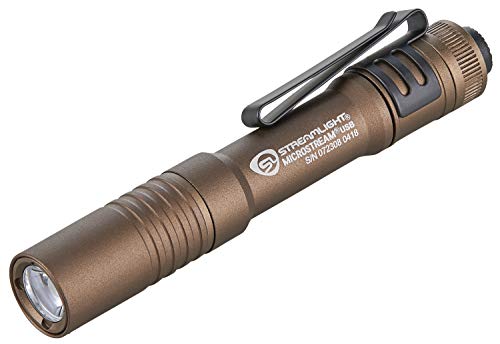
Streamlight MicroStream USB
Streamlight
250 lumens listed, USB rechargeable, and small enough that carrying it is not a decision.
Check price★ Our Top Pick
The Light
Streamlight MicroStream USB
250 lumens listed, USB rechargeable, and small enough that carrying it is not a decision.
Not sure yet? Compare all 7 picks below ↓
Everyday carry is the one gear category where the buying and the using have almost nothing to do with each other. The internet is full of beautiful $200 pocket knives that live in drawers, because the kit you actually carry beats the drawer of gear you don't, every single day, forever. A light you have at the fuse box at 9 p.m. is worth ten lights you left at home. So this guide is not a museum of the coolest objects; it is the seven pieces that survive the only test that matters, which is still being in your pocket next month. We are a hiking site, and this is a hiking-adjacent truth: EDC is the kit that lives in your pocket between hikes, the same judgment, ounce by ounce, applied to jeans instead of a pack.
The teaching spine here is the four-slot rule. A working pocket kit has exactly four jobs: a light, a blade or tool, a wallet, and a pen, plus one organizer that keeps the whole thing pocketable instead of jingling like a janitor. Every slot gets judged by carry weight and carry size first, because carry weight is what decides whether the thing comes along. The price ladder runs kind: the KeySmart Flex key organizer is about $10, the Victorinox Classic SD is about $24 and the Maxpedition Platy organizer about $24, the Fisher Space Pen about $30, the Streamlight MicroStream about $43, and the ceiling is the Ridge wallet at about $95 and the Leatherman Skeletool CX at about $100. Do the math and the light-blade-pen-organizer core lands around $121, which is genuinely less than plenty of single impulse knife purchases, and unlike the drawer knife, all four pieces get used this week.
One disclosure, up front and plainly: no brand paid for a spot in this guide, nobody placed a product, and no manufacturer saw it before publication. Some links go to Amazon; if you buy through one we may earn a small commission at no extra cost to you, and that never moves a pick up or down. Specs below are the manufacturers' listed figures, hedged as such every time, and prices are approximate street prices at publication, so always check the live listing.
The short version
- The four-slot rule is the whole kit: light, blade/tool, wallet, pen, plus the organizer that keeps it pocketable. Fill the slots, then stop buying.
- Our pick for the light slot is the Streamlight MicroStream (about $43): 250 lumens listed, USB rechargeable, and small enough that carrying it requires no decision.
- The Victorinox Classic SD (about $24) is the keychain blade: 7 functions listed on a knife so small it clears the excuse of ever leaving it home.
- The Leatherman Skeletool CX (about $100) is the tool upgrade: pliers, a real one-hand blade, and a pocket clip, for the days a keychain knife is not enough.
- The working core, light, blade, pen, and organizer, runs about $121 total. That is less than one impulse knife purchase, and every piece earns its pocket.
| Pick | Slot | Why it wins | Approx. price |
|---|---|---|---|
| Streamlight MicroStream | The Light (Our Pick) | 250 lumens listed, USB rechargeable, pocket-invisible | ~$43 |
| Victorinox Classic SD | The Keychain Blade | 7 functions listed on your keys, zero decisions | ~$24 |
| Leatherman Skeletool CX | The Tool Upgrade | Pliers and a one-hand blade in a minimalist frame | ~$100 |
| The Ridge Wallet | The Wallet | Aluminum minimalist slab, RFID-blocking listed | ~$95 |
| Fisher Space Pen Bullet | The Pen | Pressurized cartridge writes where ballpoints quit | ~$30 |
| Maxpedition Platy | The Organizer | The slim pouch that keeps the kit pocketable | ~$24 |
| KeySmart Flex | The Key Fix | Ends the key jingle for about $10 | ~$10 |
The 2026 everyday-carry shortlist at a glance, one pick per slot. Specs are the manufacturers' listed figures; prices are approximate street prices at publication, verified against our dataset in July 2026.
01 · The Light
Our PickStreamlight MicroStream USB
250 lumens listed, USB rechargeable, and small enough that carrying it is not a decision.
Field check: 250 lumens listed · USB rechargeable · the pocket-light standard
The phone flashlight lie is the reason this slot exists. Yes, your phone has a light, and holding a $900 glass slab in your teeth over a breaker panel is how everyone eventually learns why a real light earns a pocket. The MicroStream USB is what that lesson buys: a dedicated beam you can point, clip to a hat brim, or stand on its tail, with your hands and your phone free to do the actual job.
What makes it the pick is not the peak number, it is the carry math. This is a light you clip on with your morning pocket load and forget, which is the entire game; a brighter light that stays home loses to this one every single night. The USB recharging matters more than it sounds: battery-swap lights quietly die in pockets and stay dead, while a light you top up from the same cable as everything else stays alive. Streamlight has been building duty lights for decades, and the MicroStream carries that build reputation at a keychain-adjacent size.
- Listed output
- 250 lumens
- Power
- USB rechargeable
- Carry
- Pocket clip, pen-sized body
- Approx. price
- ~$43
What we like
- 250 lumens listed from a pen-sized body
- USB recharging keeps it alive in the rotation
- Streamlight duty-light build reputation
- Clips and disappears: carrying it is not a decision
Worth noting
- Costs more than basic AAA lights
- Built-in battery means no gas-station rescue when dead
- Small enough to lose without the clip
Who should buy it: Buy the MicroStream if you are building a first real EDC kit or replacing a phone-flashlight habit: commuters, hikers who want the trail habit to follow them home, anyone whose day ends after sunset. It is the piece of this kit with the highest uses-per-week, which makes it the right first purchase.
What we don't like: About $43 is real money for a small light when $12 AAA lights exist, and the built-in rechargeable format cuts both ways: if it dies away from a cable, you cannot buy a fix at a gas station the way AAA carriers can. It is also small enough to lose track of in a deep pocket without the clip doing its job.
Bottom line: The MicroStream USB is the piece of this kit we would defend the hardest. It is a genuine 250-lumen listed light in a body barely bigger than the pen two slots down, it recharges over USB so dead batteries stop being a reason it left the rotation, and it clips to a pocket so unobtrusively you stop noticing it. The light slot is the most-used slot in EDC, and this is its default answer.
02 · The Keychain Blade

Victorinox Classic SD
Seven functions listed on your keychain, on a knife the world has approved of for generations.
Field check: 7 functions listed · keychain size · the most-carried knife design on earth
The best knife is the one that is there, and nothing is there like a keychain knife. The Classic SD wins the four-slot rule's blade slot for beginners by cheating: it attaches to something you already never leave home without. There is no morning decision, no pocket-space negotiation, no 'is today a knife day.' Your keys come, it comes, and by month three it has handled a hundred small jobs, threads, tags, splinters, packages, loose screws on sunglasses, that would otherwise have been teeth and swearing.
The scissors are the sleeper star; most owners report they out-use the blade. The tweezers earn their slot the first time there is a splinter, which for hikers is not hypothetical. And the social physics matter: a Classic SD produced in an office or at a trailhead picnic table reads as a tool, not a weapon, which is a genuine feature in a piece you carry everywhere. Victorinox has been making these in Switzerland since before your grandparents, and the fit and finish at $24 embarrasses knives at four times the price.
- Listed functions
- 7
- Carry
- Keychain ring, pocket-scale
- Blade
- Small non-locking blade plus scissors, file, tweezers, toothpick
- Approx. price
- ~$24
What we like
- Rides your keys: the highest carry rate of any knife
- Scissors and tweezers out-earn the blade weekly
- Socially invisible in settings that punish big blades
- Swiss build quality at about $24
Worth noting
- Small non-locking blade has real limits
- Will get confiscated at TSA if you forget it
- Toothpick and tweezers famously go missing
Who should buy it: Buy the Classic SD if you are new to carrying a blade, buying a first EDC gift, or want the blade slot filled with zero daily decisions. It is also the right knife for anyone whose workplaces and social settings punish bigger blades: it is the most carryable, most tolerated knife design in existence.
What we don't like: The blade is genuinely small, fine for threads and packages, wrong for food prep or hard cutting, and none of the tools lock. It cannot fly in your carry-on and will be forgotten on your keys at TSA at least once, an expensive lesson. And the toothpick and tweezers will eventually wander off; replacements exist, but it is a known ritual.
Bottom line: The Classic SD is the strongest carry-rate argument in this entire guide. Seven listed functions, a small blade, scissors, a nail file with a screwdriver tip, tweezers, and a toothpick, ride on your keys, which means it is with you every time your keys are, which is always. It is about $24, it offends nobody, and it has quietly opened more packages than every tactical knife ever forged.
03 · The Tool Upgrade

Leatherman Skeletool CX
Pliers, a real one-hand blade, and a pocket clip, in the most carryable full multitool made.
Field check: 7-in-1 listed minimalist multitool · pliers + one-hand blade · pocket-clip carry
Every multitool review skips the only spec that matters: whether it gets carried. Traditional multitools lose their owners within a month, not because they lack tools but because they carry like a wrench. The Skeletool CX is Leatherman's answer to its own category's problem: strip the tool count from twenty down to the seven listed functions with real weekly usage, cut every gram of frame that does not carry load, and add a pocket clip so it rides like a large pocket knife instead of a toolbox.
The two functions that justify the price are the ones the Classic SD cannot touch. Pliers are the tool you cannot improvise, fingers do not grip hot, sharp, or stuck things, and the Skeletool's are full-size and genuinely useful, with wire cutters in the jaws. And the blade deploys one-handed from the outside of the frame like a proper pocket knife, then locks, which changes it from a package-opener into a working knife. The CX trim adds a harder 154CM listed blade steel over the base model, the reason we point at this version: blade steel is the part you touch every day.
- Listed toolset
- 7-in-1: pliers, wire cutters, locking blade, bit driver, bottle opener/clip
- Blade
- One-hand opening, locking, 154CM listed steel (CX trim)
- Carry
- Pocket clip, carabiner corner
- Approx. price
- ~$100
What we like
- Full pliers in a tool that actually rides in a pocket
- Real one-hand locking blade, not a multitool afterthought
- Seven listed tools chosen by usage, not spec-sheet padding
- Doubles as the camp repair kit on trail weekends
Worth noting
- About $100 needs plier-grade problems to justify
- No scissors or saw in the seven
- Still a knife for TSA and dress-code purposes
Who should buy it: Buy the Skeletool CX if the blade slot in your kit keeps hitting its ceiling: DIYers, bike commuters, van and truck owners, backpackers who want one tool covering pocket and pack. It is the multitool for people who tried carrying a full-size one, quit, and concluded wrongly that they are not multitool people.
What we don't like: About $100 is Skeletool CX money only if the pliers genuinely get used; if your month is all packages and envelopes, the $24 Classic covers it and this is jewelry. Seven tools means no scissors and no saw, which some days will notice. And like every knife-bearing tool, it cannot fly carry-on and draws more glances than a keychain blade in buttoned-up settings.
Bottom line: The Skeletool CX is what the blade slot grows into. Leatherman took the full multitool, which usually rides belts because it carries like a brick, and skeletonized it down to the seven listed tools people actually use: pliers, wire cutters, a real locking one-hand blade, a bit driver, and a bottle opener that doubles as the carabiner clip. The result is the rare full-capability tool that lives happily in a jeans pocket.
04 · The Wallet

The Ridge Wallet
The aluminum slab that ended the costanza wallet: cards, cash clip, RFID-blocking listed.
Field check: Aluminum frame · RFID-blocking listed · the minimalist-wallet benchmark
The old wallet was a filing cabinet you sat on; the Ridge is a money clip with armor. The Ridge starts from the honest inventory, the handful of cards you use plus a little cash, and builds metal around exactly that. Two aluminum plates sandwich the card stack, an elastic side holds tension as the stack grows or shrinks, and the whole thing rides flat in a front pocket, which your back and every pickpocket-avoidance guide will both endorse.
The material is the argument. Leather wallets die slowly and expand constantly; the Ridge's aluminum frame neither stretches nor frays, and the listed RFID blocking comes from the metal construction itself rather than a foil sticker. In the four-slot rule the wallet is the slot you already carry, so upgrading it costs zero new pocket space, and it is the slot everyone else sees: fair warning that the Ridge's slab-of-metal aesthetic reads either as clean or as cold, and you know which camp you are in already.
- Frame
- Aluminum plates, elastic spine
- Security
- RFID-blocking listed
- Cash
- Outer money clip or strap
- Approx. price
- ~$95
What we like
- Frame physically prevents wallet bloat
- RFID blocking listed in the construction itself
- Flat front-pocket carry, hipbelt-pocket friendly
- The proven original in a field of clones
Worth noting
- About $95 where lookalikes start at $30
- Hard cap on cards; hostile to receipts and coins
- Metal aesthetic is polarizing on purpose
Who should buy it: Buy the Ridge if your current wallet has archaeology in it and you want the front-pocket, cards-plus-cash life with a forcing function built in. It is also the single most reliable gift in this guide: the recipient did not know they wanted it, and then they carry it for a decade.
What we don't like: About $95 is premium pricing for a wallet, and the category is crowded with $30 lookalikes that do most of the job with less refinement. Card capacity is genuinely capped, receipt-and-coin people will suffer, and aluminum on a bar top announces itself. The elastic spine is a wear part over the long haul, though replacements are a known quantity.
Bottom line: The Ridge is the wallet that made minimalist wallets a category, two aluminum plates, an elastic spine, cards fanning out with a thumb push, cash under an outer clip or strap, and RFID blocking listed in the frame itself. It holds what you actually use and physically cannot become the leather brick it replaced, because the frame is the discipline. At about $95 it is priced like the buy-once piece it has proven to be.
05 · The Pen

Fisher Space Pen Bullet
The pressurized pocket pen that writes where ballpoints quit, in a bullet that vanishes.
Field check: Pressurized cartridge · write-anywhere claimed · pocket-length closed, full-size open
The pen slot sounds optional until the third time in a month you sign with someone else's germs. Delivery signatures, permit boxes at trailheads, a phone number that has to move to paper, a label on a leftover container: the pen is the least glamorous slot in the four-slot rule and one of the most used. The Bullet has owned this slot since the design debuted decades ago, and it is not for nostalgia; it is because the form factor has never been beaten.
Normal pens fail pockets in two ways: they are too long to carry comfortably, or short enough to carry and miserable to write with. The Bullet's trick is the cap, pocket-length closed, and posting the cap on the back brings it to full writing size. The pressurized cartridge is the second trick: unlike gravity-fed ballpoints, Fisher's sealed, pressurized refill is claimed to write at any angle, in cold, heat, and on greasy or damp paper. For hikers that is not marketing poetry, it is a pen that takes a note against a tree in January drizzle, which is precisely when ordinary ink gives up.
- Cartridge
- Pressurized, write-anywhere claimed
- Form
- Pocket-length closed, full-size posted
- Refills
- Standard Fisher pressurized refills
- Approx. price
- ~$30
What we like
- Genuinely pocketable closed, genuinely usable open
- Claimed to write upside down, in cold, on damp paper
- Cheap standard refills make it a buy-once slot
- Decades-proven design, not a novelty
Worth noting
- Cap-posting is a two-handed ritual
- Rolls and hides without an assigned home
- Ballpoint feel, not gel-pen luxury
Who should buy it: Buy the Bullet if you keep borrowing pens or keep destroying the ones you pocket: field workers, clipboard-adjacent jobs, journalers, and hikers who log permits and trail notes. It is also the classic small-but-real EDC gift, useful weekly and pocketable forever.
What we don't like: It is a two-handed pen: unscrew or pull the cap, post it, then write, which fidgety one-hand note-takers will feel. Small and cylindrical means it rolls off tables and hides in pockets, so it needs an assigned home. And pressurized ballpoint ink is functional, not luxurious; pen people who love buttery gel lines are buying reliability here, not writing pleasure.
Bottom line: The Bullet Space Pen solves the pen slot's two failure modes at once. Closed, it is short enough to genuinely live in a fifth pocket or an organizer loop, so it is actually there; posted, the cap makes it a full-size pen, so it is actually usable. And the pressurized cartridge is claimed by Fisher to write upside down, in freezing cold, and on damp paper, which is exactly the abuse pocket pens and trail notes deal in.
06 · The Organizer

Maxpedition Platy Pocket Organizer
The slim pouch that turns five loose objects into one kit you can grab, swap, and never forget.
Field check: Slim EDC pouch · one-pocket footprint · the piece that makes the kit a kit
Nobody abandons EDC because the gear failed; they abandon it because assembling five objects every morning is a chore. The Platy is the fix: a slim pouch with organized slots, so the kit becomes a single grabbable object. Morning routine drops from five decisions to one. Swap from work pants to hiking pants to travel jacket and the whole kit moves in one motion, nothing forgotten on the dresser.
Maxpedition built its name on overbuilt nylon gear pouches, and the Platy is that DNA cut deliberately thin: the whole point is a pouch flat enough for a back pocket, a jacket chest pocket, or the lid pocket of a daypack, rather than the brick-shaped pouches that migrate to a drawer next to the drawer knives. This is also the pocket-scale version of the packing-cube logic every traveler eventually adopts, one container per system, and it is why the organizer earns a place in the four-slot rule despite holding no function of its own: it is the difference between owning EDC items and carrying an EDC kit.
- Type
- Slim organized EDC pouch
- Footprint
- One pocket: jeans back pocket, jacket, pack lid
- Role
- Turns loose items into one movable kit
- Approx. price
- ~$24
What we like
- Deletes the morning-assembly friction that kills kits
- Whole kit swaps between pants, jacket, and pack in one move
- Maxpedition build in a deliberately slim cut
- Makes gifted kits arrive as kits
Worth noting
- One retrieval layer between you and fast-draw items
- Premium price for a small pouch
- Loaded pouch tests slimmer pockets
Who should buy it: Buy the Platy if you own good pocket gear that keeps getting left home, or you shuttle a kit between pants, jackets, and packs. It is also the right base for building someone else's starter kit as a gift: pouch plus light plus Classic SD arrives as a kit, not a pile.
What we don't like: It is a nylon pouch, so about $24 can feel steep against no-name organizers, and it adds one layer between you and each item, a real cost for things you draw many times a day like a light. Tacticool aesthetics are mild here but present. And a loaded pouch in a front jeans pocket is a comfort experiment that not every pair of jeans passes.
Bottom line: The Platy is the unglamorous piece that makes the other six work. A slim organized pouch gives every item an assigned seat, light, pen, blade, spare cash, and moves as one object between jeans, jacket, daypack, and glovebox. The dirty secret of EDC is that kits die of friction, five loose things to remember every morning, and the Platy deletes the friction for about $24.
07 · The Key Fix

KeySmart Flex
Ten dollars to end the key jingle: your keys fold into one flat, silent, pocket-shaped object.
Field check: ~$10 street price · compact key organizer · the cheapest carry upgrade in the kit
Keys are the EDC item nobody chose and everybody carries, which makes them the obvious first fix. A loose ring is a tiny set of blades and bells: it chews pocket liners, announces your walk, and rakes your phone screen. The KeySmart Flex stacks your keys between two side plates so each one folds out like a blade when needed and disappears when not, one flat object, silent, phone-safe.
In the four-slot rule the Flex is not a slot, it is pocket hygiene for the slot you were born with, and that is exactly why it belongs in a starter kit: at about $10 it delivers the biggest felt improvement per dollar of anything on this page. It is also the natural mounting point for the kit's keychain tier, the Classic SD rides the included loop, which quietly gets your blade slot to a 100 percent carry rate. Assembly takes a few minutes with the stack order mattering more than you expect, and there is a small learning curve in flipping out the right key first try.
- Type
- Folding compact key organizer
- Capacity
- A standard pocket key set, expandable
- Bonus
- Loop mounts fobs or a keychain knife
- Approx. price
- ~$10
What we like
- Ends key jingle and pocket damage for about $10
- Biggest felt improvement per dollar in the kit
- Loop hosts the Classic SD for a 100 percent blade carry rate
- Turns any pick in this guide into a complete gift
Worth noting
- Car fobs dangle rather than fold
- Key changes require a mini screwdriver session
- Budget hinges need occasional re-tightening
Who should buy it: Buy the Flex if your keys jingle, scratch, or stab, which is to say buy it, and buy it as the under-$15 add-on that makes any other pick from this guide into a complete gift. It is the correct first dollar of everyday carry.
What we don't like: Bulky car fobs do not fold in and end up dangling from the loop, which blunts the elegance for modern one-fob key sets. First assembly and every key change is a small screwdriver session, and re-finding the right key by feel takes a week of practice. It is also, at about $10, built to a price: hinges loosen with hard use and need the occasional re-tighten.
Bottom line: The KeySmart Flex is the cheapest quality-of-carry upgrade in this guide. It folds a ring of loose keys into a single flat object that opens like a pocketknife, no jingle, no pocket-liner teeth, no thigh-stab when you sit. At about $10 it is the entry drug of everyday carry: the purchase that makes people notice carry comfort exists, one slot at a time.
More gear worth comparing
Beyond this guide: the highest-rated gear across every category and budget, with a live price check on each.




As an Amazon Associate we may earn from qualifying purchases, at no cost to you.
Quick shop: every pick
Skip the scroll — the whole lineup, with a live price check on each.
- Streamlight MicroStream USBThe LightStreamlight · ~$43Check price →
- Victorinox Classic SDThe Keychain BladeVictorinox · ~$24Check price →
- Leatherman Skeletool CXThe Tool UpgradeLeatherman · ~$100Check price →
- The Ridge WalletThe WalletThe Ridge · ~$95Check price →
- Fisher Space Pen BulletThe PenFisher · ~$30Check price →
- Maxpedition Platy Pocket OrganizerThe OrganizerMaxpedition · ~$24Check price →
- KeySmart FlexThe Key FixKeySmart · ~$10Check price →
How we chose
We judge everyday carry on one axis: does it actually get carried? That collapses into three tests. Carry weight and carry size first, because the pocket is a harsher weight limit than any pack; a tool that prints, pokes, or jingles gets left home by week two. Slot discipline second: the four-slot rule (light, blade or tool, wallet, pen) plus one organizer covers what a normal day actually asks, and anything past those slots has to displace a proven piece to earn a spot. Usefulness per week third, not usefulness per apocalypse: we rate the boring wins, packages, splinters, dark stairwells, forms that need signing, over fantasy scenarios.
Every spec in this guide is the manufacturer's listed figure, checked against our PA-API-verified dataset, and we hedge it as 'listed' every time because we did not put these on a lab bench. Prices are approximate street prices at publication. No brand has bought a placement, and the picks skew deliberately boring: the MicroStream, the Classic SD, the Skeletool, these are the pieces the EDC community keeps recommending after the novelty purchases churn out of pockets, and that survivorship is the review.
Key terms
- EDC (everyday carry)
- The small kit of tools that rides in your pockets daily: classically a light, a blade or tool, a wallet, and a pen. The defining metric is carry rate, how often the gear is actually on you, which is why small, boring, reliable pieces dominate the category over impressive ones.
- The four-slot rule
- This guide's teaching spine: a working pocket kit fills exactly four jobs, light, blade/tool, wallet, pen, plus one organizer to keep it pocketable. Anything beyond the four slots must displace a proven piece to earn carry, which is the discipline that prevents drawer gear.
- Carry rate
- The percentage of days a piece of gear is actually on you, the honest divisor under every EDC purchase. A $24 keychain knife carried daily beats a $200 knife carried monthly by roughly an order of magnitude in usefulness per dollar.
- Pocket clip carry
- Carrying a tool clipped inside a pocket's edge, the way the MicroStream and Skeletool ride. Faster to draw and more deliberate than keychain carry, but it costs a daily decision to clip on, which is why clip-carried gear needs to earn its slot weekly.
- Listed spec
- The manufacturer's published figure, which is what every lumen count, function count, and material claim in this guide is unless stated otherwise. We hedge specs as 'listed' or 'claimed' because we verified the sources, not a lab bench.
Questions, answered
What should be in an EDC kit for beginners?
Four slots: a light, a blade or tool, a wallet, and a pen, plus an organizer if the pieces start floating. The beginner build from this guide is the Streamlight MicroStream (about $43), the Victorinox Classic SD on your keys (about $24), the wallet you already own, and the Fisher Bullet pen (about $30). That is under $100, covers what a normal week actually asks, and every piece is small enough that carrying it requires no willpower. Upgrade slots later, one at a time, based on what actually ran out of capability.
Is EDC gear worth it, or is it just a hobby of buying stuff?
Both exist, and the four-slot rule is the line between them. Filling the four slots with pieces you carry daily is unambiguously worth it: a light you have beats a phone held in your teeth, a keychain blade handles a hundred small jobs a year, a pen ends borrowing. The hobby failure mode is buying past the slots, a fifth knife does not add a fifth slot, it adds a drawer. Fill the slots, carry the kit for a month, then stop buying until a slot proves it needs an upgrade.
What is the best EDC flashlight?
Our pick is the Streamlight MicroStream USB (about $43): 250 lumens listed from a body smaller than most pens, USB recharging that keeps it alive in the rotation, and a clip that makes carrying it automatic. The light slot is the most-used slot in everyday carry, so it deserves the kit's first real dollars. If you want the full field, AAA slims, AA workhorses, and the brighter step-up, our dedicated EDC flashlight guide runs the whole comparison.
Swiss Army knife or multitool: which is better for everyday carry?
Match the tool to your month. The Victorinox Classic SD (about $24) wins on carry rate: it lives on your keys, offends nobody, and its scissors and tweezers handle most real-world small jobs. The Leatherman Skeletool CX (about $100) wins on capability: full pliers, wire cutters, and a locking one-hand blade, in the rare multitool that genuinely pockets. If last month had two or more pliers-shaped problems, buy the Leatherman; otherwise the keychain knife covers it. Plenty of people sensibly carry both, keys and pocket clip.
Are minimalist wallets like the Ridge actually practical?
If your life is cards plus a little cash, yes, and the constraint is the feature. The Ridge (about $95) holds a working stack of cards between aluminum plates with RFID blocking listed, carries flat in a front pocket, and physically cannot bloat into the old leather brick. Where it is impractical is exactly where it is honest: receipts, coins, and archive cards have no home, which forces the purge most wallets let you postpone forever. Receipt-and-coin lifestyles should stay bifold and skip the fight.
Can I fly with EDC gear like a Swiss Army knife or multitool?
Not in a carry-on, for anything with a blade: the Classic SD and Skeletool CX both belong in checked luggage, and forgetting the keychain knife on your keys at TSA is the classic $24 donation. The flashlight and pen fly fine in a carry-on, and the wallet obviously does. The practical system is the organizer pouch: pull the blade tools out as one motion when you pack, and the rest of the kit stays intact for the trip.
How much does a good EDC setup cost?
Less than the hobby's reputation suggests. The working core from this guide, MicroStream light (about $43), Classic SD (about $24), Fisher Bullet pen (about $30), Maxpedition Platy organizer (about $24), lands around $121 total, which is less than plenty of single enthusiast knife purchases. Add the KeySmart Flex at about $10 for carry comfort. The premium tier, Ridge wallet (about $95) and Skeletool CX (about $100), is optional and should be earned by a slot proving it needs the upgrade.
What EDC gear is best for hikers?
The same four slots, chosen so they pull double duty. The MicroStream backs up your headlamp and lives in the hipbelt pocket; the Classic SD on your car keys means there is a blade and tweezers, splinters and ticks, at every trailhead; the Skeletool CX covers camp repairs as the pack multitool; the Fisher Bullet writes permits and trail-register entries in cold and drizzle where ordinary pens quit. EDC is the kit that lives in your pocket between hikes, and the pieces that serve both lives are the ones that earn their carry twice.
Filed under Buyer's Guide
Keep reading
The Best EDC Flashlights (2026)
The deep dive on this kit's most-used slot: the MicroStream defends the crown against four challengers.
The Best Multitools (2026)
Where the blade slot grows up: full-size, pocket, and keychain tools, honestly ranked.
The Best Gifts for Hikers (2026)
Half this kit doubles as the most reliable gift list in gear: what to give and what to skip.
The Best Hiking Gear Under $25 (2026)
More small buys that punch above their price, the same usefulness-per-dollar math as this kit.
The Best Headlamps (2026)
The trail sibling of the light slot: hands-free beams for camp chores and dawn starts.